

Anti-Aging Foods for Healthy Skin and Longevity: A Plant-Based Approach That Works
Looking for a natural way to boost skin health and slow visible signs of ageing? The answer may be on your plate. An anti-aging diet rich in whole, plant-based foods can help reduce wrinkles, boost collagen, and support vibrant, resilient skin from the inside out.
What Drives Skin Aging?
Skin aging is influenced by both internal and external factors. The most common contributors include:
- Oxidative stress: Caused by free radicals that damage skin cells and collagen.
- Chronic inflammation (inflammaging): Persistent low-grade inflammation that breaks down skin structure.
- Glycation (AGEs): Sugar binds to collagen and elastin, leading to stiffness and wrinkle formation.
- Gut-skin axis disruption: Poor gut health can trigger inflammation and impair nutrient absorption.
- Impaired skin barrier: A weakened barrier allows water loss and irritant penetration.
- Reduced Nrf2 activity: Nrf2 is a protective cellular pathway that declines with age, reducing antioxidant defences.
The Foundations of an Anti-Aging Diet
 Based on principles promoted by Dr. Michael Greger and the latest nutritional science:
- Eat a high-fibre, plant-based diet. Think Mediterranean—but with more legumes, seeds, and whole grains.
- Prioritise polyphenol-rich and cruciferous vegetables. These fight inflammation and activate your body’s internal detox systems.
- Focus on healthy fats. Choose plant-based omega-3s (like flax, chia, and walnuts).
- Include diverse plant-based protein. Vital for collagen synthesis and tissue repair.
- Limit ultra-processed foods, added sugars, and high-heat animal products. These accelerate aging through inflammation and glycation.
Top Foods to Avoid for Skin Aging
- Bacon, BBQ, deep-fried meats: High in AGEs, collagen-damaging compounds.
- Refined carbs & sugar: Spikes insulin, increases glycation and wrinkles.
- Unfermented dairy: May elevate IGF-1 and cause inflammation in sensitive individuals.
- Trans fats & processed foods: Linked to oxidative damage and barrier dysfunction.
- Excess red meat: Increases inflammation and oxidative stress.
Best Anti-Aging Foods for Skin Longevity
🌾 Vegetables – eat a wide variety of colours and types of vegetables – aiming for minimum of 600 grams each day.
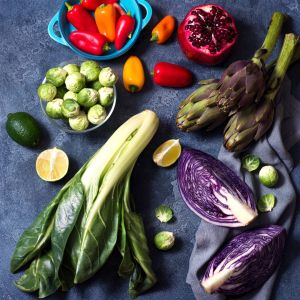
- Leafy greens (spinach, kale): Rich in carotenoids, ALA, and vitamin C.
- Cruciferous veg (broccoli, cabbage): Activate Nrf2 and support detoxification.
- Alliums (onions, garlic): Anti-inflammatory and sulfur-rich.
- Beetroot: Boosts nitric oxide, improves circulation.
- Orange/red veg (carrots, pumpkin, capsicum): Provide beta-carotene, lutein, and UV protection.
Fruits
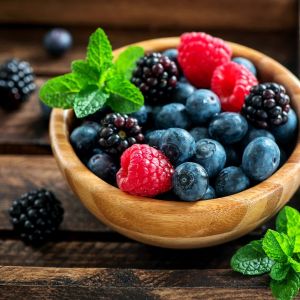
- Berries: High in anthocyanins, antioxidants, and vitamin C.
- Citrus fruits: Great for collagen synthesis.
- Tomatoes: Lycopene protects against sun damage.
- Avocados: Contain healthy fats, lutein, and vitamin E.
Whole Grains, Legumes & Beans
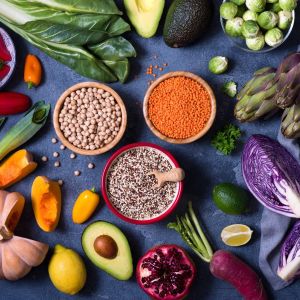
- Chickpeas, lentils, soybeans: Rich in protein, fibre, and isoflavones for collagen support.
- Quinoa & buckwheat: Complete proteins with B vitamins.
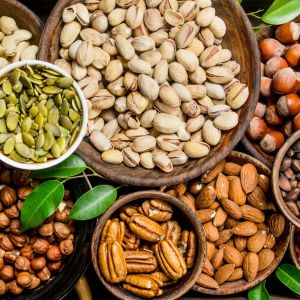
Nuts & Seeds
- Walnuts: ALA, selenium, and antioxidants.
- Flax & chia: Omega-3s, lignans, and gut-supportive fibre.
- Almonds: High in vitamin E.
- Pumpkin seeds: Packed with zinc, magnesium, and selenium.
Herbs & Spices
- Turmeric (curcumin): Reduces inflammation, activates Nrf2.
- Cinnamon & oregano: Antioxidant-rich, blood sugar-balancing.
- Ginger & cumin: Anti-inflammatory and digestion-supportive.
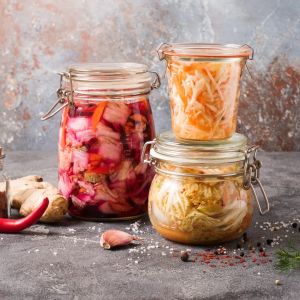
Fermented Foods
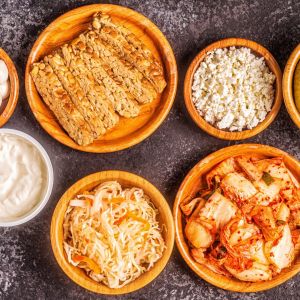
- Kimchi, sauerkraut, miso, tempeh: Enhance gut-skin axis and reduce inflammation.
- Lactobacillus plantarum: Clinically shown to reduce collagen breakdown and improve hydration.
Dark Chocolate (70%+)
- Contains flavanols that improve circulation, skin hydration, and UV resistance.
Antioxidant Drinks
- Green tea (EGCG): Reduces inflammation and protects DNA.
- Hibiscus & chamomile: Calming and antioxidant-rich.
- Coffee (moderate): Provides chlorogenic acid for antioxidant support.
Mushrooms & Seaweed
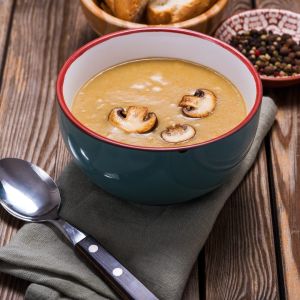
- Mushrooms: Contain ergothioneine, a skin-protective antioxidant.
- Seaweed: Rich in minerals, polyphenols, and marine-source omega-3s.
Functional Nutrients That Preserve Collagen
To prevent collagen breakdown:
-
- Omega-3s (ALA, EPA/DHA): Suppress collagenase enzymes.
- Vitamin C: Essential for collagen formation.
- Polyphenols: From berries, cocoa, and green tea.
- Sulphur compounds: From alliums and crucifers.
- Probiotics (L. plantarum): May reduce MMP activity and improve hydration.
- Omega-3s (ALA, EPA/DHA): Suppress collagenase enzymes.
Final Thoughts: Let Food Be Your Skin’s Investment
Eating for skin health isn’t about short-term beauty trends—it’s about long-term resilience, collagen support, and reducing inflammation at the cellular level.
By choosing whole, plant-based, anti-inflammatory foods, you can help your skin age more gracefully, naturally, and healthfully.
Want more personalised advice? Book a skin longevity consultation with our team at Pearl Medispa today.